
Top Home Renovation Mistakes To Avoid And How To Plan Successfully
A successful home renovation starts long before building work begins. Without proper planning, homeowners can face unexpected costs, delays, design changes, and issues with contractors or approvals. Understanding the most common renovation mistakes early helps you make better decisions, protect your budget, and achieve a finished result that adds real value to your home.
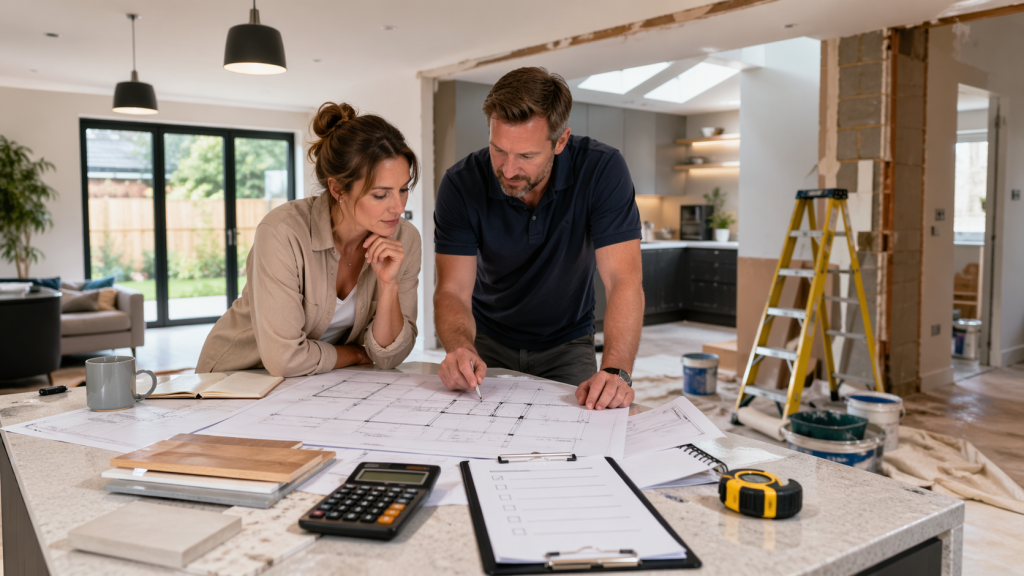
How Poor Planning Can Affect Your Renovation Project
A home renovation can completely transform how you live in your property and significantly increase its value — if it is planned and delivered correctly. However, many homeowners underestimate the complexity of renovation work, which often leads to stress, unexpected costs, delays, and disappointing results.
From budget miscalculations to choosing the wrong contractor, home renovation mistakes to avoid are more common than most people realise. The good news is that these issues are largely preventable. With proper planning, professional guidance, and informed decisions, a renovation can run smoothly and deliver long-term value.
This guide outlines the most common home renovation mistakes to avoid and explains how careful preparation can help you achieve a successful outcome.
Common Home Renovation Mistakes to Avoid
The most frequent home renovation mistakes to avoid include underestimating the budget, hiring the wrong contractor, ignoring planning permission and building regulations, prioritising aesthetics over function, failing to maximise natural light, and overlooking energy efficiency. Successful renovations rely on realistic budgeting, proper approvals, and working with experienced professionals from the outset.
1. Underestimating the Renovation Budget
Underestimating costs is one of the biggest home renovation mistakes to avoid. While initial quotes may appear affordable, hidden issues such as outdated electrics, plumbing upgrades, damp, insulation deficiencies, or structural repairs often become apparent once work begins.
In addition, material price fluctuations and changes to the scope of work can quickly increase costs, particularly on larger refurbishments or extensions.
How to Avoid This Mistake
- Obtain multiple detailed quotes from experienced home renovation contractors
- Include a 10–20% contingency to cover unforeseen issues
- Prioritise essential structural, electrical, and plumbing work before cosmetic finishes
- Avoid committing your entire budget upfront without flexibility
Careful budgeting ensures your renovation progresses without unnecessary delays or forced compromises later.
2. Choosing the Wrong Contractor for Your Home Renovation
Hiring the wrong contractor is a costly home renovation mistake to avoid. Poor workmanship, missed deadlines, and unclear communication often result in disputes and additional costs to correct mistakes.
How to Avoid This Mistake
- Research established home renovation companies with proven experience
- Review previous projects, client testimonials, and references
- Ensure contractors are fully insured and compliant with UK regulations
- Request a clear written contract covering costs, timelines, materials, and responsibilities
Working with a reliable and transparent contractor reduces risk and keeps the project under control.
3. Ignoring Planning Permission and Building Regulations
Failing to check planning permission or comply with building regulations is one of the most serious home renovation mistakes to avoid. In some cases, homeowners may face enforcement action, fines, or be required to undo completed work.
While some renovations fall under permitted development, this is not guaranteed — especially for extensions, structural changes, or properties in conservation areas.
How to Avoid This Mistake
- Confirm planning requirements before work begins
- Understand permitted development rules and local authority guidelines
- Ensure all works comply fully with UK building regulations
- Use professionals who can manage applications, approvals, and inspections
Correct compliance protects your investment and prevents legal or financial issues later.
4. Focusing Only on Aesthetics Instead of Performance
Prioritising appearance over functionality is another common home renovation mistake to avoid. While stylish finishes are important, neglecting structural integrity, insulation, ventilation, electrics, and plumbing can create long-term problems.
A renovation that looks good but performs poorly will cost more to maintain and reduce overall comfort.
How to Avoid This Mistake
- Address structural and mechanical systems before decorative finishes
- Choose durable, high-quality materials suitable for long-term use
- Ensure layouts improve practicality as well as appearance
- Work with professionals who balance design with performance
A well-planned renovation delivers both visual appeal and lasting value.
5. Not Maximising Natural Light
Failing to plan for natural light is a frequently overlooked home renovation mistake to avoid. Poor layouts or limited window openings can result in dark, uninviting spaces, even after significant investment.
How to Avoid This Mistake
- Consider rooflights, skylights, or larger window openings
- Use glass doors or open-plan layouts where appropriate
- Choose light-reflective finishes and well-planned interior layouts
- Plan lighting early alongside architectural decisions
Maximising natural light improves comfort, aesthetics, and property value without excessive cost.
6. Overlooking Energy Efficiency During Renovation
Ignoring energy efficiency is one of the most expensive home renovation mistakes to avoid in the long term. Poor insulation, inefficient glazing, and outdated heating systems lead to higher energy bills and reduced comfort, particularly in older properties.
How to Avoid This Mistake
- Upgrade insulation, windows, and heating systems where possible
- Consider energy-efficient lighting and smart controls
- Focus on long-term savings rather than just upfront costs
- Integrate energy efficiency into the overall renovation strategy
Energy-efficient homes are cheaper to run, more comfortable to live in, and more attractive to future buyers.
FAQs:
Planning a Home Renovation in West London?
Planning a renovation does not have to be stressful or unpredictable. By working with experienced West London home renovation specialists, you can plan with confidence, control budgets, and achieve a result that adds real value to your home.
From early planning and budgeting advice to managing permissions, building regulations, and construction works, the right team makes all the difference.
If you are planning a home renovation in West London, speak to professionals who understand local requirements and deliver projects properly from start to finish.
Get in touch today to discuss your renovation plans and request a free, no-obligation consultation.